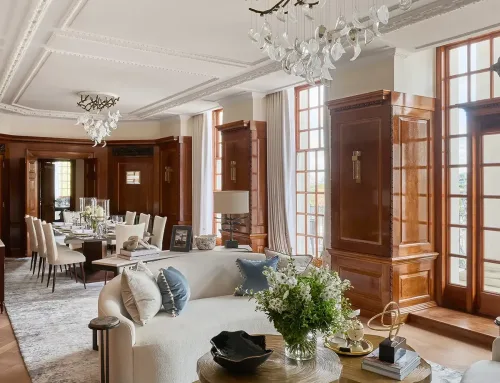
In the ever-evolving world of interior design, the concept of layering fabrics and patterns has emerged as a quintessential technique for creating spaces that are not only visually stimulating but also exude warmth, depth, and personality. Gone are the days when a single fabric or pattern dictated the mood and character of a room. Today, designers and homeowners alike are embracing the rich tapestry of textures, prints, and weaves, weaving them together in creative harmony to produce interiors that tell a story. In this comprehensive exploration, we delve into the nuances of layering fabrics and patterns, offering insight into its benefits, techniques, and the subtle art of achieving balance.
Why Layer Fabrics and Patterns?
Layering is fundamentally about adding dimension and interest to a space. A room with a single type of fabric or uniform pattern can appear flat, uninspired, and sometimes even cold. By incorporating multiple fabrics—think linen, velvet, silk, and wool—and a variety of patterns—such as florals, stripes, geometrics, and abstract prints—one can create a dynamic environment that invites the eye to explore and the body to relax.
Layering also allows for personal expression. It’s an opportunity to blend influences, eras, and moods. Perhaps a vintage floral print echoes memories of a beloved family home, while sleek geometric cushions signal a love for contemporary design. The result is a space that feels curated and lived-in, rather than staged or impersonal.
The Building Blocks: Types of Fabrics and Patterns
Fabrics form the tactile foundation of layering. Upholstery, curtains, cushions, throws, and rugs are all canvases for texture and pattern. The choice of fabric influences not only the look but also the feel of a room. For example, velvet adds a sense of luxury and warmth, while linen imparts a breezy, relaxed feel. Wool offers cosiness and durability, making it ideal for throws and rugs, while silk brings in a touch of glamour.
Patterns, meanwhile, bring visual rhythm. Stripes can elongate or widen a space, florals can soften hard edges, and geometrics can add modernity and structure. Abstract patterns inject energy and unpredictability, while classic damasks or paisleys evoke tradition and sophistication.
Techniques for Layering Fabrics and Patterns
Start with a Base
Begin with a neutral or solid-coloured foundation, such as a sofa in a muted hue or natural-fibre rug. This anchors the space and provides a canvas upon which to layer bolder patterns and richer textures.
Vary the Scale
Mix patterns of different scales for visual interest. A large-scale floral on curtains pairs beautifully with a petite geometric on cushions. This prevents the space from feeling chaotic or overwhelming. Keeping some elements understated allows bolder patterns to shine.
Use a Cohesive Colour Palette
While mixing patterns and fabrics, it’s crucial to stick to a cohesive colour palette. This doesn’t mean everything must match perfectly, but hues should harmonise. Pull colours from an existing rug, piece of art, or even the view outside your window to inform your choices.
Balance Texture
Combine different materials for depth. Pair the sheen of silk cushions with the matte softness of a wool throw. Mix smooth and rough textures—such as a leather chair with a chunky knit blanket—to engage the senses and invite touch.
Repeat Motifs
Repeating certain motifs or colours throughout the room helps unify the space. For instance, if you introduce a blue stripe in the curtains, echo the same shade in a patterned cushion or a piece of pottery. This establishes rhythm and continuity.
Layer Vertically and Horizontally
Think beyond just cushions on a sofa. Layer rugs on top of one another—a flat-weave beneath a plush Moroccan style, for example—or drape throws over the backs of chairs. Mix and match patterns on lampshades, headboards, or even within shelving displays.
Common Pitfalls and How to Avoid Them
Layering fabrics and patterns requires a discerning eye. Too many clashing patterns can create a sense of chaos, while too little variation can leave a room feeling bland. Here are common mistakes and solutions:
Overcrowding: If the space begins to feel busy, step back and remove one patterned element at a time until balance is restored.
Ignoring Scale: Avoid using all large or all small patterns. Vary the scale for harmony.
Neglecting Texture: Don’t rely solely on visual pattern—texture is equally important for depth and comfort.
Forgetting Function: Ensure that your choices are not only visually appealing but also practical. Delicate silks may not work on a family sofa; opt for performance fabrics in high-traffic areas.
Current Trends in Layering Fabrics and Patterns
British interior design has a rich tradition of pattern mixing, from the maximalist Victorian parlours to the eclectic modern homes featured in today’s magazines. Current trends include:
Mixing Old and New: Pairing vintage floral chintz with modern abstract fabrics for an updated take on classic English style.
Global Influences: Incorporating ikats, suzanis, and kilims for a worldly, collected feel.
Botanicals and Nature: Leafy prints, embroidered birds, and natural motifs are being layered with textural linens and velvets to bring the outside in.
Monochrome Schemes: Limiting the palette to shades of one colour, but varying the textures and patterns within that range for subtle sophistication.
Conclusion: The Joy of Personal Expression
At its heart, layering fabrics and patterns is about storytelling. It’s a way to express your personality, history, and tastes, creating an environment that nurtures and delights. Whether you favour the restrained elegance of a neutral palette with subtle texture or the exuberance of clashing prints in vibrant hues, the art of layering allows you to make your home uniquely yours.
With a keen eye for balance, a respect for colour and scale, and a willingness to experiment, anyone can master the art of layering in interior design. After all, a truly beautiful space is one that feels as wonderful as it looks, inviting you to sit, touch, and linger just a little longer.