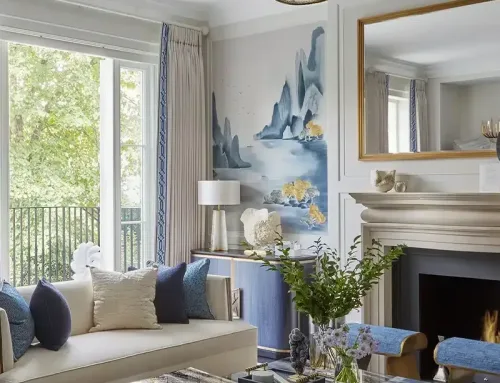
When we think of a “timeless” interior, we often conjure up images of spaces that transcend fleeting trends, where heritage and innovation blend seamlessly, and where comfort and elegance are perfectly balanced. Add the phrase “quintessentially British,” and the picture becomes even more distinctive: panelled libraries with overstuffed armchairs, sun-dappled drawing rooms adorned with chintz, and stately homes brimming with character and stories. But what does it truly mean to design a timeless interior that is quintessentially British? Let’s explore the philosophy, heritage, and practical approach behind such enduring spaces.
The Foundation: British Heritage and Evolving Tradition
British interiors are steeped in centuries of tradition, their distinctive character shaped by aristocratic estates, idyllic rural cottages, and the cosmopolitan sophistication of London’s finest townhouses. An experienced interior designer understands that, while each era—from the stately symmetry of Georgian architecture to the exuberant eclecticism of the Victorian period—has left an indelible mark, quintessentially British design is not defined by rigid rules. Instead, it embraces a layered, lived-in approach that exudes both comfort and prestige.
A timeless British interior is far more than a curated display; it is a living narrative. Under the guidance of a skilled interior designer, these spaces are designed to evolve, thoughtfully blending cherished heirlooms with contemporary pieces to reflect both personal stories and a broader national heritage. The true genius of British interiors lies in their effortless ability to harmoniously unite old and new, formal elegance and relaxed comfort—creating environments that are as inviting as they are refined.
Key Characteristics of Timeless British Interiors
Layered Eclecticism
British interiors are masterful at mixing patterns, textures, and periods. You’ll find a Georgian sideboard alongside a mid-century lamp, a William Morris wallpaper next to a sleek modern sofa. This isn’t haphazard; it’s curated with an expert eye for balance and contrast. The result is a space that feels collected, not decorated.
Quality Over Quantity
Timeless British design values craftsmanship and authenticity. Antiques, whether inherited or sourced, are prized for their patina and story. Upholstery is robust—think wool, velvet, leather, or linen. Wood is often dark and polished, with the occasional painted finish for a country touch. Even new pieces are chosen for their ability to age gracefully.
Comfort and Practicality
British interiors are first and foremost designed to be lived in. Deep armchairs, plump cushions, and generous throws invite relaxation. Open fires, books, and well-stocked side tables contribute to a sense of cosiness—known locally as “hygge” before it had a name. Rooms are arranged for conversation and comfort, not just for show.
Restraint with Flourish
While British design can be exuberant (see: the maximalist layering of prints and curiosities), it’s also marked by a certain restraint. Walls might be painted in subtle Farrow & Ball hues, with a flash of bold colour in a lampshade or artwork. Architectural features—mouldings, fireplaces, paneled doors—are celebrated and often left unadorned or lightly enhanced.
Nature and the Garden
The British love affair with gardens finds its way indoors. Florals, both real and in fabric or wallpaper, are ubiquitous. Botanical prints, houseplants, and garden views connect inside and out. Even in the heart of the city, a vase of flowers or a leafy motif is almost always present.
How to Create a Quintessentially British, Timeless Interior
Start with the Bones
Honour the architecture, whether it’s a Victorian terrace or a new-build flat. Highlight original features, and if your home lacks them, consider adding classic elements like picture rails, panelled doors, or decorative mouldings.
Build a Foundation of Classics
Invest in furniture with classic lines: a Chesterfield sofa, a wingback chair, a mahogany dining table. These are pieces that age well and look at home in any era. Don’t be afraid of mixing different woods or finishes—it adds to the sense of history.
Layer Textiles and Patterns
Embrace the British love of pattern. Mix stripes with florals, tartans with paisleys. Use rugs, curtains, and cushions to add depth and warmth. The key is to keep the palette harmonious, so the effect is rich rather than chaotic.
Curate, Don’t Decorate
Display collections—silver frames, porcelain dogs, antique books—but edit ruthlessly. Each item should have a story or sentimental value. Avoid the temptation to buy “by the yard”; authenticity is crucial.
Bring in the Garden
Use florals liberally, whether in wallpaper, upholstery, or fresh arrangements. Botanical prints, painted landscapes, and natural materials (rattan, wicker, sisal) all enhance the connection to nature.
Infuse with Personality
British interiors shine when they reflect their owners. Hang family portraits, display travel souvenirs, include a well-stocked drinks tray. Eccentricity is welcome: a quirky lamp, a bold artwork, or an unexpected colour can all add that personal spark.
Think Long-Term
Above all, avoid disposable trends. Choose pieces and palettes you love, not what’s fashionable. A timeless British interior is one that will still feel inviting and relevant in decades to come.
The Spirit of British Timelessness
At its heart, designing a timeless, quintessentially British interior is about creating a refuge—a place of warmth, character, and welcome. It’s about respecting the past without being bound by it, and allowing rooms to evolve with their inhabitants. It’s about comfort without stuffiness, elegance without ostentation, and individuality expressed with confidence. As the designer David Hicks once said, “The best rooms have something to say about the people who live in them.” In the best British tradition, a timeless interior isn’t just a style; it’s a way of life—a silent, ongoing conversation between history, home, and heart.