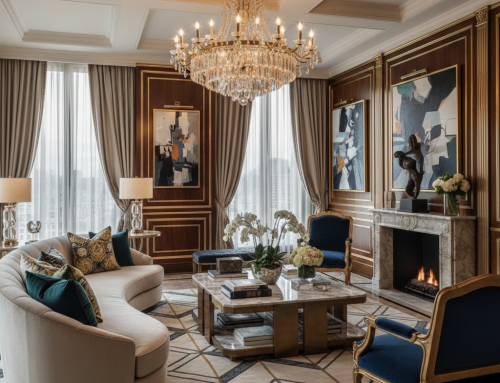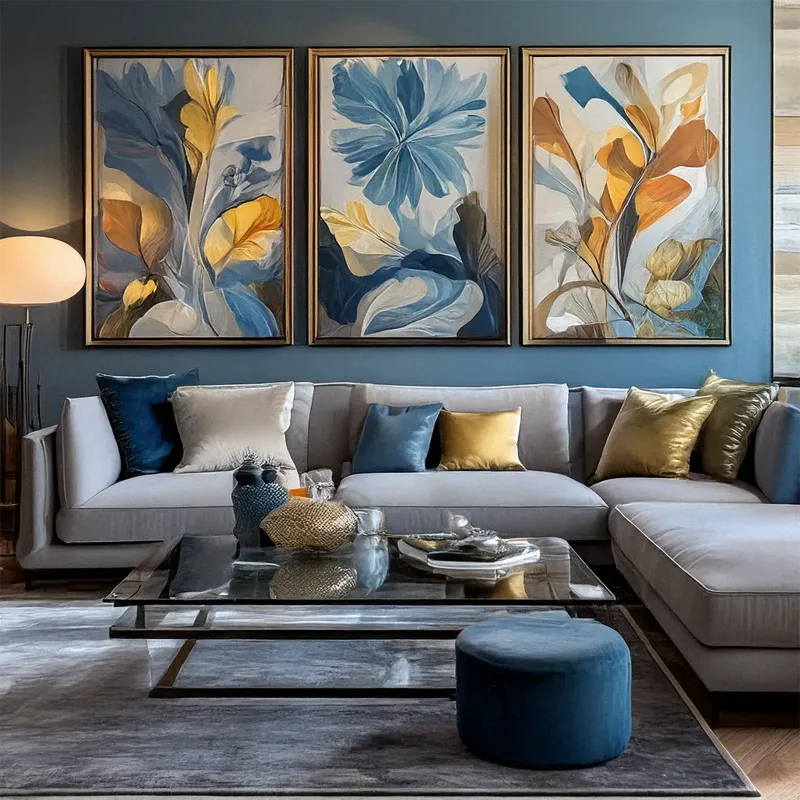
In the world of luxury interiors, the art on the walls is more than an accessory—it is the soul of the space. But even the most exquisite painting or photograph can be diminished if the framing is an afterthought. Frames are not simply protective borders; they are architectural statements that influence how art interacts with the surrounding design. The right pairing of artwork and frame has the power to elevate a room, anchor a style, and create a narrative of refinement.
The Frame as a Design Element
Luxury interior designers often view frames as a bridge between art and architecture. A frame doesn’t just encase a piece; it defines how the work will exist within a curated environment. Much like selecting the right marble for a countertop or the perfect silk for a drapery, choosing the right frame requires an understanding of proportion, texture, finish, and context.
Frames can soften or sharpen, highlight or mute. They can make a piece feel classic, contemporary, or avant-garde. In a well-designed room, the frame and the art speak in harmony, complementing the furnishings, lighting, and architectural lines.
Pairing Art Styles with Frame Types
1. Classical Oil Paintings & Ornate Gilded Frames
Old-world oil portraits and landscapes thrive in gilded frames with intricate carving, burnished gold leaf, or antique patinas. These frames echo the tradition and grandeur of European salons, making them a natural choice for spaces with paneled walls, marble fireplaces, and crystal chandeliers. In a luxury interior, such combinations evoke timeless sophistication.
2. Minimalist Photography & Sleek Metal Frames
Black-and-white photography and abstract prints often pair best with streamlined frames—think matte black steel, brushed brass, or polished chrome. Their simplicity allows the art itself to command attention while contributing to a modern, gallery-like feel. In contemporary penthouses or coastal retreats with expansive glazing, such framing offers a clean, architectural presence.
3. Modern Paintings & Floating Frames
For bold, oversized canvases, a floating frame in natural oak, walnut, or lacquered finish can create a sense of depth and presence. The subtle reveal between the canvas and frame adds breathing space, allowing the artwork to appear weightless. Designers often use floating frames in modern interiors with sculptural furniture and layered textures to create balance without distraction.
4. Textile Art & Shadowbox Frames
Textiles, collages, or mixed-media works deserve frames that provide dimensionality. Shadowbox frames protect delicate textures while offering depth that standard frames cannot achieve. With a linen or suede backdrop, they can become sculptural design statements in luxurious living rooms, libraries, or dressing suites.
5. Watercolors & Light Wooden Frames
The gentle nature of watercolors finds harmony in frames of maple, ash, or birch—materials that reflect the softness of the medium. Pairing them with museum-quality glass ensures clarity while protecting the delicate pigments. These combinations are well-suited to serene bedrooms or intimate sitting rooms where the emphasis is on calm elegance.
Considering Scale and Proportion
The dialogue between frame and artwork must also respect scale. A thin frame on an oversized canvas can feel insubstantial, while an overly ornate frame can overwhelm a small print. Luxury interior designers often integrate frame size into their spatial planning, ensuring the art feels neither dwarfed nor overbearing in its architectural context.
Finishes that Transform a Space
Beyond the pairing of style and form, finishes play a crucial role:
Antique Gold Leaf conveys heritage and grandeur.
Matte Black introduces a modern, architectural edge.
Natural Woods bring warmth and organic authenticity.
High-Gloss Lacquer suggests modern luxury and bold confidence.
Soft White or Cream frames create subtlety, allowing art to blend seamlessly into contemporary interiors.
Choosing a finish is not merely aesthetic; it is about resonance. The right finish allows art to integrate fluidly into the broader palette of the interior.
Framing as Storytelling
At its most refined, framing becomes part of the storytelling of a home. It communicates intentionality—every frame whispers that the owner values not just art, but the dialogue between art and space. Luxury interiors thrive on this sense of curation. A bronze-finished floating frame can tie in with sculptural lighting fixtures; a gilded frame can echo the warm undertones of silk draperies; a pale ash frame can extend the narrative of Scandinavian-inspired minimalism.
The Designer’s Eye
Ultimately, pairing art with frames is not about rigid rules, but about sensitivity. The most successful interiors balance contrasts—heritage with modernity, boldness with restraint, opulence with subtlety. Luxury interior designers understand that framing is the punctuation in the language of interiors: it defines the rhythm, cadence, and emphasis of the art within the space.